For many veterans, getting a good night’s sleep can be a constant struggle. Snoring, gasping for air, and waking up exhausted are more than just signs of aging, they can point to sleep apnea, a serious medical condition that can also qualify for VA disability benefits.
At Marc Whitehead & Associates, we help veterans across the country secure the benefits they’ve earned. If you or someone you know has been diagnosed with sleep apnea, or suspect you might have it, here’s what you need to know about how the VA is handling these claims in 2025.
What Is Sleep Apnea?
Sleep apnea occurs when breathing repeatedly stops and starts during sleep. The most common form, Obstructive Sleep Apnea (OSA), happens when the airway collapses or becomes blocked, cutting off airflow.
Common symptoms include:
- Loud snoring
- Gasping or choking during sleep
- Daytime fatigue or difficulty staying awake
- Morning headaches
- Difficulty concentrating
Untreated sleep apnea can lead to serious health issues, including heart disease, high blood pressure, diabetes, and depression.
For a free legal consultation, call (800) 562-9830
Why Veterans Are at Higher Risk
Veterans experience sleep apnea at significantly higher rates than the general population. There are several reasons for this, including:
- Exposure to environmental hazards such as burn pits or dust while deployed
- Weight gain or changes in physical condition after service
- Traumatic Brain Injury (TBI)
- Post-Traumatic Stress Disorder (PTSD), which can worsen or even cause sleep apnea
Even if sleep apnea didn’t begin during service, it can often be linked as a secondary condition to another service-connected disability like PTSD or TBI. That connection can be the key to qualifying for benefits.
How the VA Rates Sleep Apnea
The VA uses Diagnostic Code 6847 to evaluate sleep apnea. As of early 2025, here’s how it is typically rated:
- 0% – A diagnosis without significant symptoms.
- 30% – Persistent daytime sleepiness (hypersomnolence).
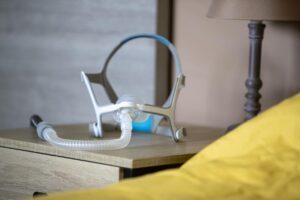
- 50% – The veteran requires a CPAP or other breathing assistance device.
- 100% – Chronic respiratory failure with carbon dioxide retention, cor pulmonale (heart failure), or requires a tracheostomy.
However, changes are on the horizon.
The VA has proposed updating how sleep apnea is rated, potentially eliminating the automatic 50% rating for CPAP use. Instead, ratings would depend more on how well the condition responds to treatment and how severely it affects a veteran’s daily life.
If these changes go into effect, veterans filing new claims may see lower ratings unless they can show that their sleep apnea significantly limits their ability to function or that treatment is not effective.
Why This Matters for Veterans in 2025
The potential changes in how VA rates sleep apnea make now an important time for veterans to review their benefits. Veterans who already have a 50% rating for CPAP use will generally keep that rating, but those filing new claims after the rule changes may face tougher criteria.
If you suspect you have sleep apnea, or if your current rating doesn’t reflect how severe your symptoms are, it may be worth seeking legal guidance before new regulations take effect.
How We Can Help
Our team at Marc Whitehead & Associates has helped thousands of veterans fight for the disability benefits they deserve. We understand how complicated the VA’s rules can be, and how small changes can make a big difference in your monthly compensation.
If you’re a veteran struggling with sleep apnea, or you have a loved one who may qualify for benefits, reach out to us. We can help determine whether your condition may be service-connected and guide you through the claims or appeals process.
Call us today at 800-562-9830
Or contact us online: DisabilityDenials.com
Call or text (800) 562-9830 or complete a Free Case Evaluation form