To file a VA disability claim for sleep apnea, you need to submit a formal application to the Department of Veterans Affairs and provide medical evidence showing both a diagnosis and a connection to your military service. Sleep apnea can qualify for monthly disability compensation, but only if it’s properly documented and supported.
The VA recognizes several types of sleep apnea, including obstructive, central, and complex sleep apnea syndromes. All can be considered service-connected if there’s sufficient medical or secondary evidence. But filing a strong claim requires you to clearly link your condition to your service or to another service-connected disability.
Knowing what to submit, when to file, and how to support your claim can make all the difference. Many first-time applications for sleep apnea are denied or underrated due to incomplete evidence or missing service connections. That’s why working with a Veterans Affairs Disability benefits claims lawyer is crucial.
The VA’s Requirements for Sleep Apnea Claims
At Marc Whitehead & Associates, we guide veterans through every step of the claims process. Beyond just seeking a diagnosis, the VA looks for proof that your sleep apnea is service-connected and meets the rating criteria under 38 CFR § 4.97.
To build a complete claim, you need:
- A confirmed diagnosis from a VA or private sleep study
- Evidence that your sleep apnea began during or was aggravated by military service or
- Proof that your condition developed as a secondary result of another service-connected disability
We help veterans gather this documentation and ensure the claim is submitted through the correct channels, including online via VA.gov, in person, or by mail using VA Form 21-526EZ.
For a free legal consultation, call (800) 562-9830
Common Causes and Service Connections
Sleep apnea may be caused or worsened by several conditions that are common among veterans. Even if you weren’t diagnosed during active duty, a claim may still be successful if your medical records show a clear connection to service-related factors.
Sleep apnea may be service-connected directly or secondarily through:
- Weight gain or obesity related to mobility issues or medications
- PTSD, which can cause disrupted sleep patterns and long-term sleep disorders
- Chronic pain or musculoskeletal injuries that affect sleep position or breathing
- TBI (traumatic brain injury), which may interfere with respiratory regulation
- Exposure to airborne hazards, burn pits, or toxins while deployed
We help veterans draw these connections clearly and convincingly in their claims.
Sleep Apnea VA Disability Ratings
The VA rates sleep apnea under Diagnostic Code 6847, which falls under 38 CFR § 4.97. Your VA rating for sleep apnea depends on the severity of your symptoms and whether you require assisted breathing devices.
The current rating breakdown is:
- 0%: Diagnosed condition without symptoms
- 30%: Persistent daytime hypersomnolence (excessive sleepiness)
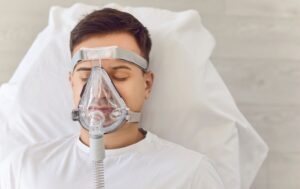
- 50%: Requires use of a CPAP machine or other breathing assistance
- 100%: Chronic respiratory failure, cor pulmonale, or tracheostomy
Most veterans receive a 50% rating if they use a CPAP machine. However, approval isn’t automatic. You must show that your condition is both diagnosed and service-connected when filing your VA disability claim for sleep apnea.
Why Sleep Apnea Claims Get Denied
One of the most common reasons sleep apnea claims are denied is a lack of a clear nexus to service. The VA may acknowledge that you have the condition but say it isn’t connected to your time in uniform, even if your symptoms began shortly after discharge.
Other common issues include:
- No formal sleep study on file or insufficient medical documentation
- Long gaps between military service and diagnosis
- Missing records showing how your sleep apnea affects work or daily living
- Overlooking secondary connections to conditions like PTSD or chronic pain
We address these challenges early. Our legal team helps you gather complete evidence, craft a persuasive service connection argument, and avoid the mistakes that lead to denial. By approaching the claim strategically, we put your case in the strongest possible position from day one.
How We Help You File and Win
Filing a claim is just the beginning. At Marc Whitehead & Associates, we go far beyond just submitting forms. We gather strong medical records, build clear timelines, and work with your physicians to draft nexus letters that explain how your condition is tied to service.
We also:
- Help you schedule independent sleep studies, if needed
- Collect buddy statements or lay evidence when service records are lacking
- Monitor claim progress and communicate directly with the VA
- Handle appeals if your initial claim is denied or underrated
Our goal is to take the burden off your shoulders. You focus on your health while we focus on building the strongest claim possible.
Get the Sleep Apnea Rating You Deserve
Sleep apnea can severely affect your quality of life, and the compensation you receive should reflect that. Whether you’ve already filed a claim, received a denial, or are just starting the process, we can help.
At Marc Whitehead & Associates, we’ve helped thousands of veterans pursue disability benefits for sleep apnea and related conditions. We understand what the VA needs to approve your claim and know how to fight back when they get it wrong.
Call us today to schedule a free consultation. Let’s get started on your VA disability claim for sleep apnea and work toward the rating you’ve earned.
Call or text (800) 562-9830 or complete a Free Case Evaluation form